
Pitching Procress
Wednesday, February 25, 2026

There’s no doubt that pitching is a higher risk for injuries in comparison to hitting. For quite some time now, there have been more pitching injuries than there have been hitter injuries, and significantly more days on the Injured List for pitchers. This is because the act of throwing a baseball at such a high speed is such an unnatural physical action. Thinking about it this way, if you or I take a baseball and throw it as hard as we can with movement and spin, our shoulder, elbow, wrist, and more will all feel some sort of pain because of how unnatural an action that is. Now imagine having to do that every 30 seconds, 100 times a night, every fifth day. It seems almost impossible, yet the world’s greatest athletes do it. However, they also get injured more often because of how physically demanding it is to pitch.
The road to recovery is a long one for pitchers, but teams usually use the same path. I get asked a lot if a pitcher is close to returning. Oftentimes, I may not know an exact timeline, but I do think of the various steps that they need to successfully complete before returning. After succumbing to an injury that affects a pitcher’s arms or shoulder, the player will typically rest. This is to allow the body to properly heal itself. After a medically suggested time off, the player will begin a lengthy process.
These are the following steps involved in the healing process. It’s important to note that a pitcher will do each of the following multiple times, and that there is rest in between the reps. Additionally, a pitcher will track how their body is feeling after completing a rep in order to see if it’s the normal wear and tear of proper buildup and if the injury they sustained is preventing them from ramping up.
Playing Catch
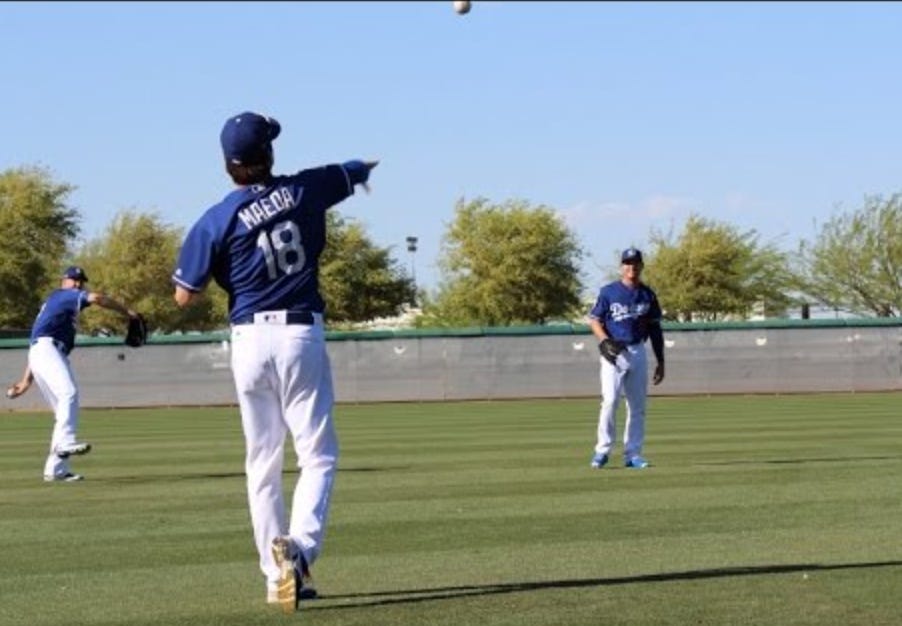
This is the first stage where the pitcher tests the waters to see how the body responds. Usually, they will start by playing catch from short distances. This gives them a chance to stretch the body part in question and utilize the muscles that haven’t been used in a while. This stage has many different variants involved, with catch usually taking place anywhere from 45 feet, 60 feet, 90 feet, 120 feet, and 180 feet. The purpose of the longest distances is to test the arm and see if they can intensify the delivery.
Flat ground
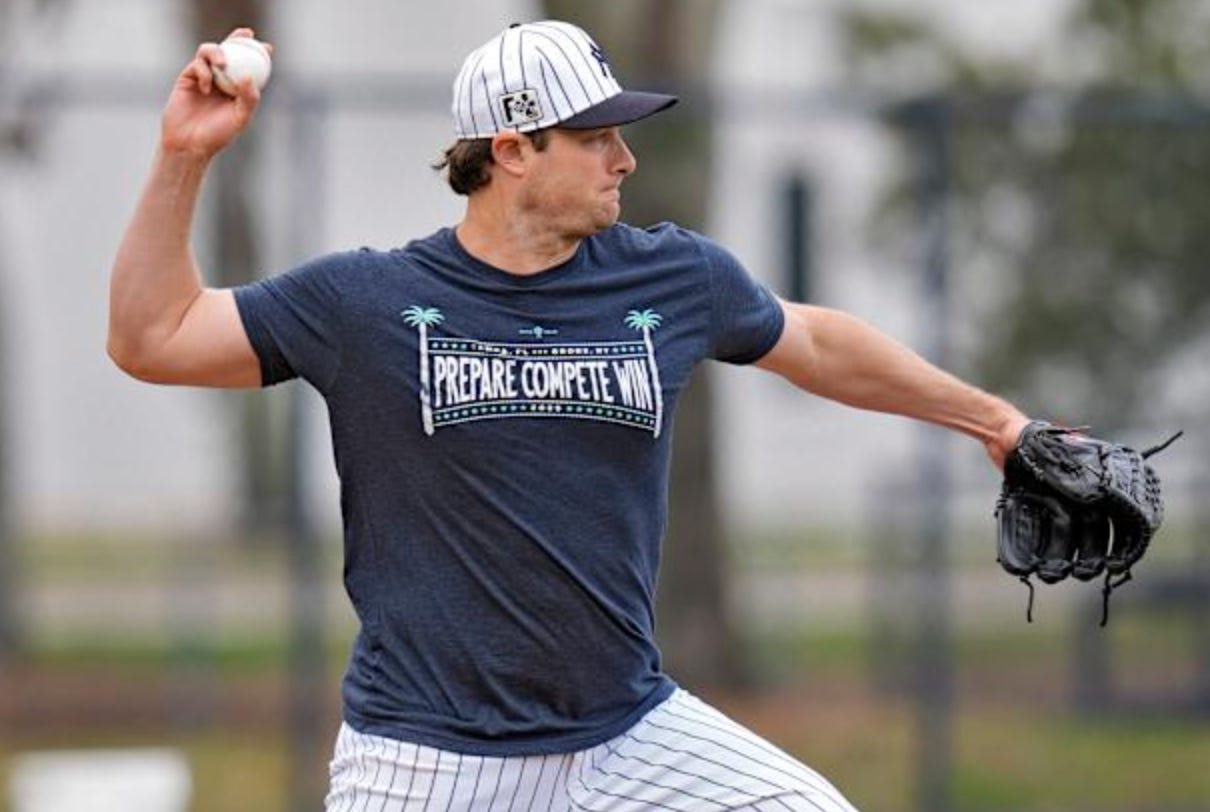
The pitcher will start to pitch, but from flat ground, meaning that they are not on a mound. This is to test their aim and their ability to hit a target while keeping the ball on an arc. This is the next step for pitchers to show that they are able to get closer to pitching without actually pitching. This is usually used for major recovery processes, but can be skipped in lesser situations.
Mound work/Bullpen
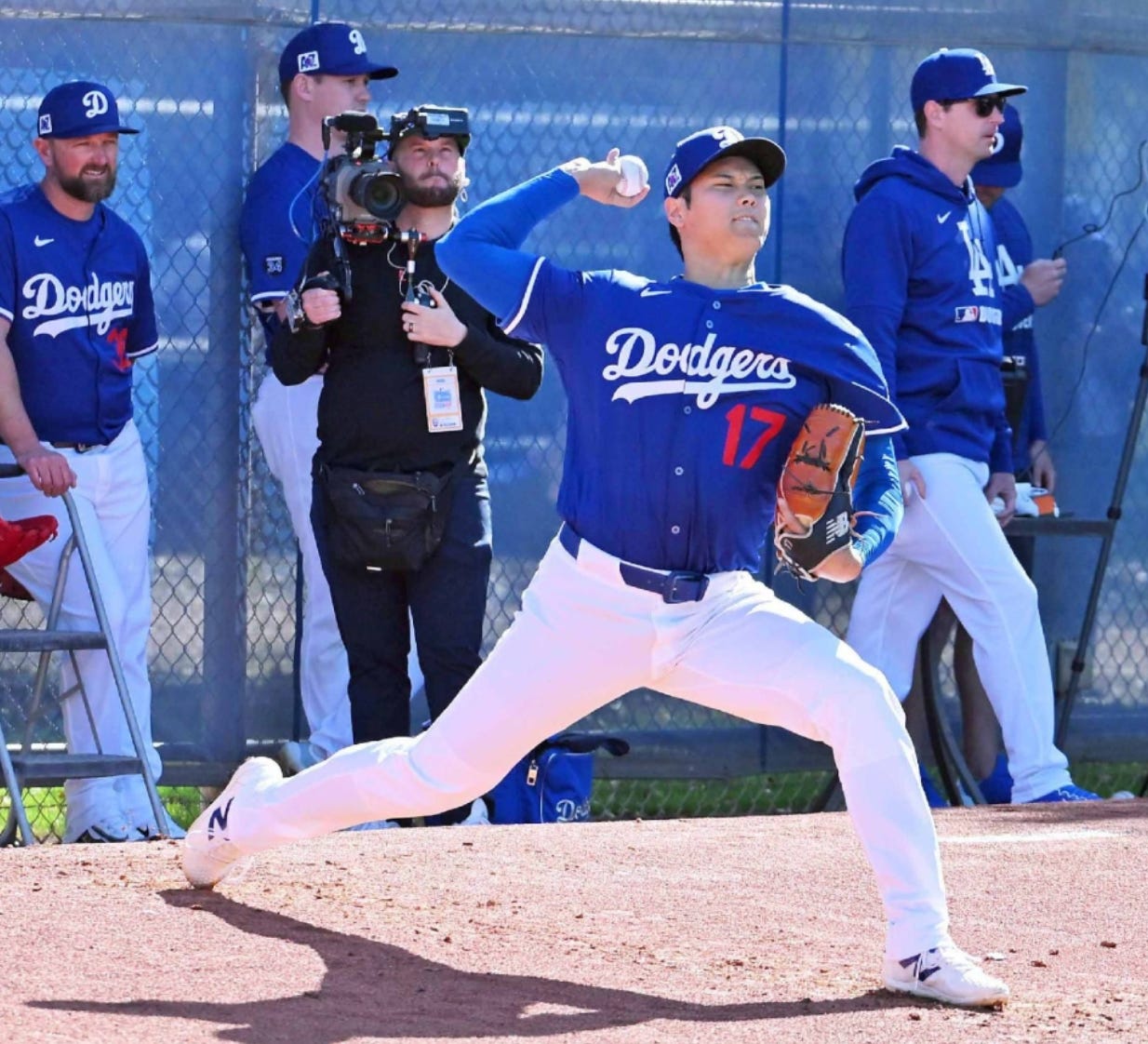
This is where the pitcher starts to get serious, and when the projected return timeline can come into focus. Here, it’s been established that the pitcher can throw long distances, can aim, and can throw with some intensity. Now it’s time to put them on the mound and have them accelerate the velocity to whatever level they’re most comfortable using. This step could take a few repetitions and also has various iterations. The pitcher will usually start with just fastballs and increase the quantity for each bullpen session. Before “graduating” to the next level, they will usually incorporate their secondary pitches.
Live bullpen
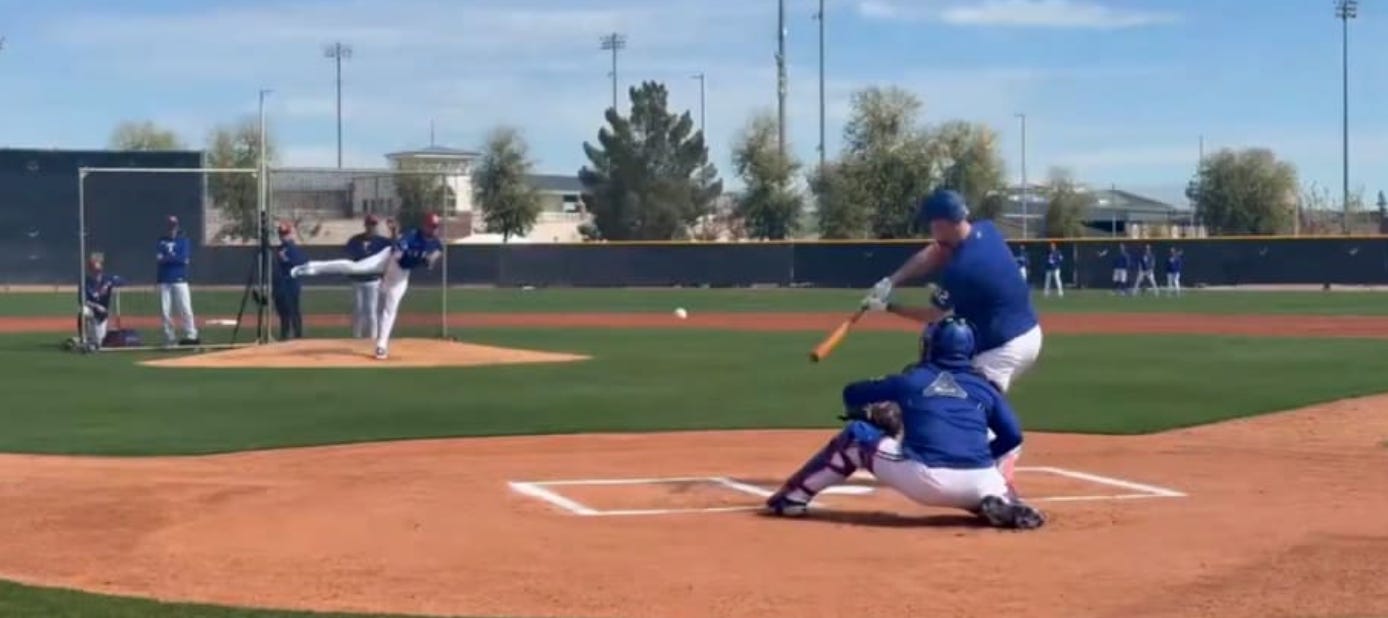
The final stage before in-game action. Here, the pitcher will now face live batters and have simulated games. After it’s established that the hurler can hit a target safely with different pitch types, they will not do their best to strikeout live hitters from their own team. It’s a great way for the pitcher to get experience, and for the hitter to get extra chances to practice. There is no set amount of pitches thrown here, as that is determined by what the team wants to see and what the pitcher feels he can deliver.
Rehab assignment
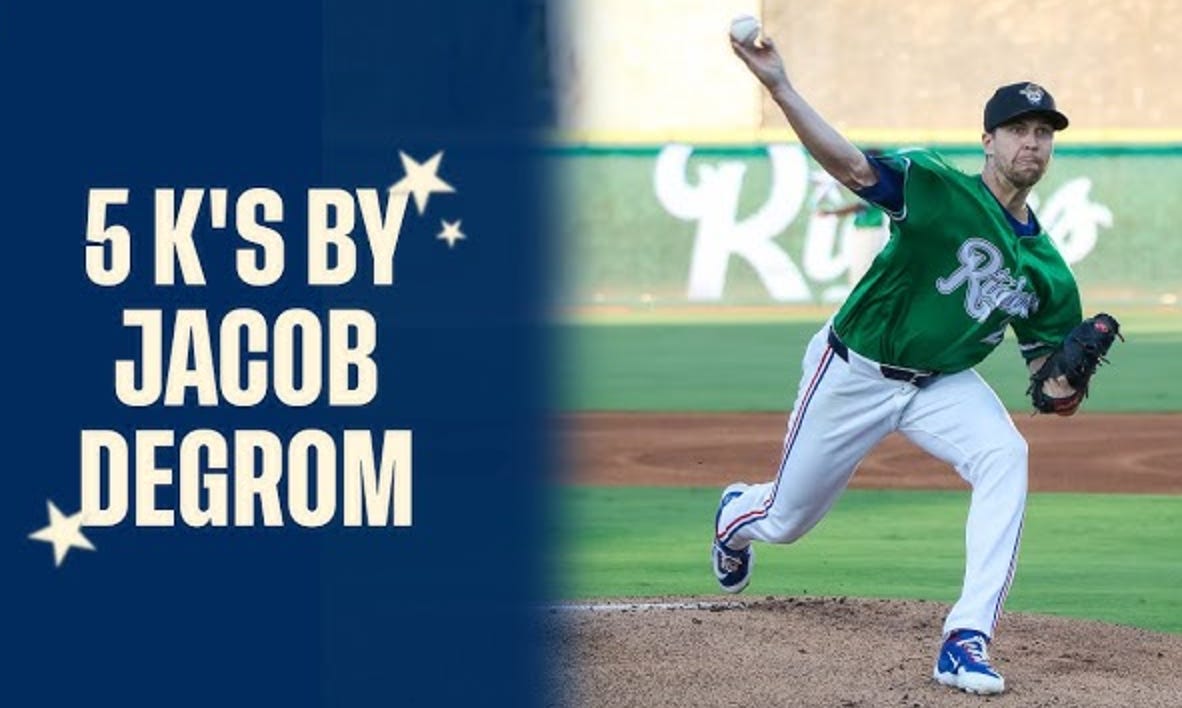
Finally, the pitcher is ready for a real game. While he won’t be at the big league level, he will take part in a Minor League game, working on his pitches, velocity, command, control, and health against non-Major League batters. When a pitcher enters a rehab assignment, he has 30-days to get in as much practice as he can before he must come back to the Major League team. While there are circumstances that can allow for extra time, a pitcher is usually placed on a schedule that is reminisent to that of his Major League schedule. This is the final stage before he returns to join the big league club and pitch against Major League batters. At that point, he is considered healthy.